TL;DR
Through conversations with gamers navigating fatigue, strain, chronic pain, reduced dexterity and fluctuating energy levels, Thumb Soldiers has observed a growing but under-discussed reality in gaming:
Many players are silently adapting around discomfort simply to continue playing the games they love.
This article explores “The Comfort Gap in Gaming” — why sustainable play, physical comfort and reduced interaction friction is an increasingly important part of the future gaming experience.
Why sustainable play and physical comfort is becoming the next major gaming conversation
· Gaming conversations are evolving beyond “can someone play?” toward “can someone play comfortably and sustainably over time?”
· Physical comfort remains one of the most overlooked parts of the gaming experience despite its impact on confidence, immersion, consistency and wellbeing.
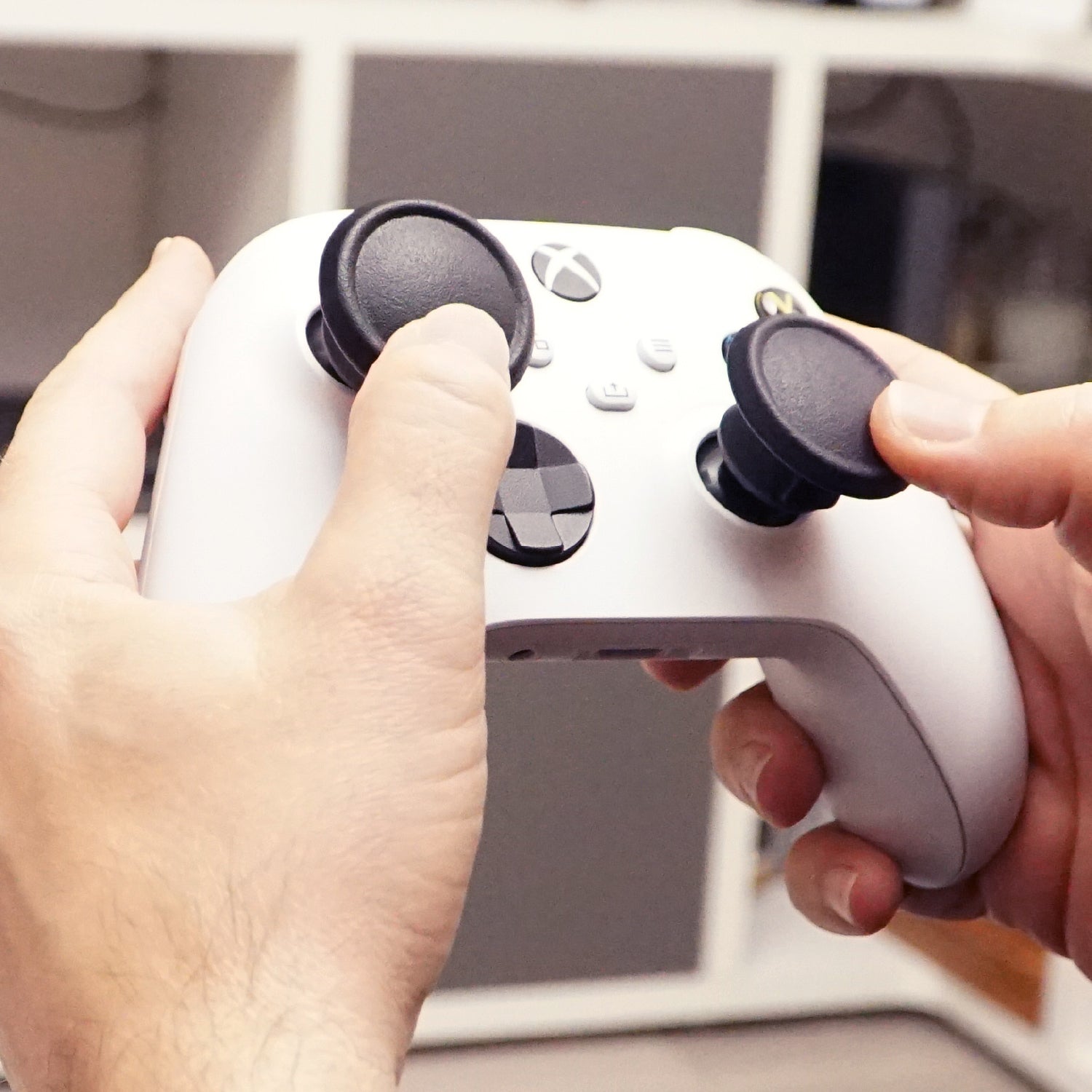
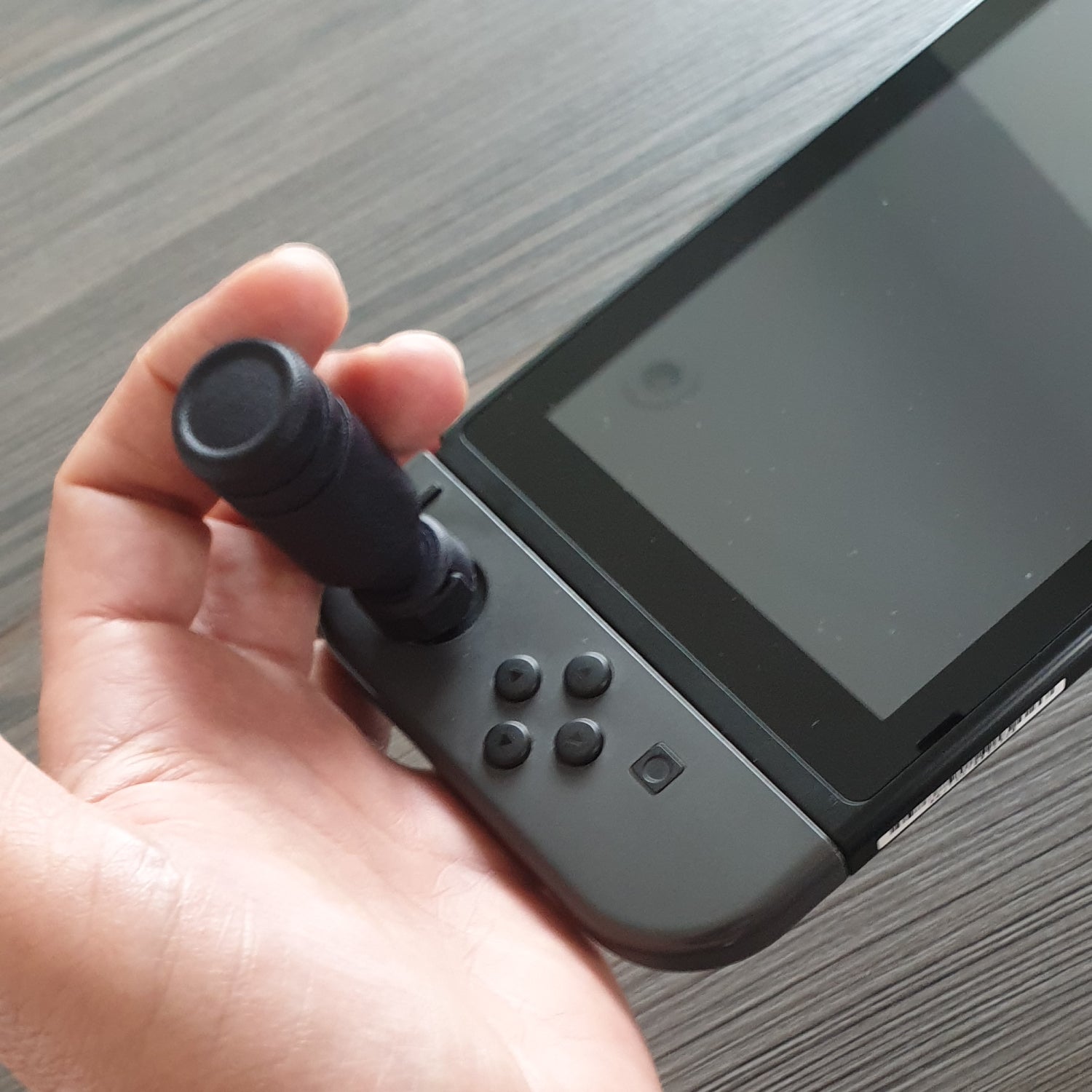
· Small changes in interaction can create meaningful differences in comfort, endurance and sustainable play.
· More flexible and personalised ways to interact with games benefit a far wider range of players than traditional accessibility categories alone.
· The future of gaming depends less on one universal way to play and more on helping players discover interaction styles that work for their own bodies and energy levels.
Gaming has become one of the world’s most important forms of entertainment, social connection, stress relief, creativity and emotional escape.
For many people gaming is far more than a hobby. It is routine. Relaxation. Identity. Community and a way to switch off after difficult days.
Yet despite enormous advances in graphics, online connectivity, performance and accessibility settings, one area still receives surprisingly little attention:
Physical Comfort.
Not comfort as a luxury feature. Comfort as part of usability.
The ability to play without unnecessary strain. The ability to sustain interaction without fatigue. The ability to continue enjoying games during periods where hands, joints, energy levels or dexterity fluctuate.
There is a growing gap between what gaming demands physically and what many players can comfortably sustain.
This is the comfort gap in gaming.
And it affects far more people than the industry often realises.
The hidden reality of silent adaptation
Sustainable play matters
Gaming is often discussed around performance.
But comfort is the foundation of performance — you can't play your best when you're in pain
And for many players the goal is not competitive advantage. It is consistency, relaxation, familiarity and confidence. The ability to unwind without physical interaction becoming exhausting.
Physical discomfort changes the emotional experience of gaming.
When interaction feels tiring or awkward, players may:
· become frustrated more quickly
· lose immersion
· avoid social gaming
· stop playing certain titles
· shorten sessions
· feel disconnected from favourite games
Conversely, when interaction feels more natural and manageable, players often describe:
· reduced mental load
· increased confidence
· longer comfortable sessions
· greater immersion
· less fatigue accumulation
· easier relaxation
Small interaction changes can create surprisingly meaningful emotional differences.
Comfort is broader than accessibility categories
One of the most important shifts happening in gaming is the growing recognition that inclusive design benefits far more people than traditional accessibility labels alone.
The same interaction adjustments that support someone managing chronic pain may also help:
· a player recovering from injury
· someone experiencing gamer’s thumb or RSI
· older gamers
· players dealing with fatigue
· people with naturally different grip styles
· users experiencing stress-related muscle tension
· players during longer sessions
Many people benefit from more comfortable interaction without ever identifying as disabled.
This is why conversations around gaming comfort matter.
The future of gaming should not rely on players forcing themselves to adapt around unnecessary physical friction.
The future of gaming comfort
A shift where:
· comfort is treated as a legitimate part of the player experience
· fatigue reduction matters alongside performance
· sustainable play becomes part of usability design
· adaptable interaction becomes more personal and flexible
· physical interaction receives the same innovation focus as graphics and software
· players feel more comfortable discussing discomfort openly
Recognising that physical comfort is not separate from gaming. It is part of gaming. Because for many players, the challenge is not whether they can technically press the buttons, it is whether they can continue enjoying gaming comfortably and sustainably over time.
A broader conversation around sustainable play
Conversations with players living with chronic pain, neurological conditions, fatigue, injuries, reduced dexterity and fluctuating energy levels continue to reinforce the same message to us:
Too many gamers are silently adapting around physical discomfort simply to continue enjoying the games they love.
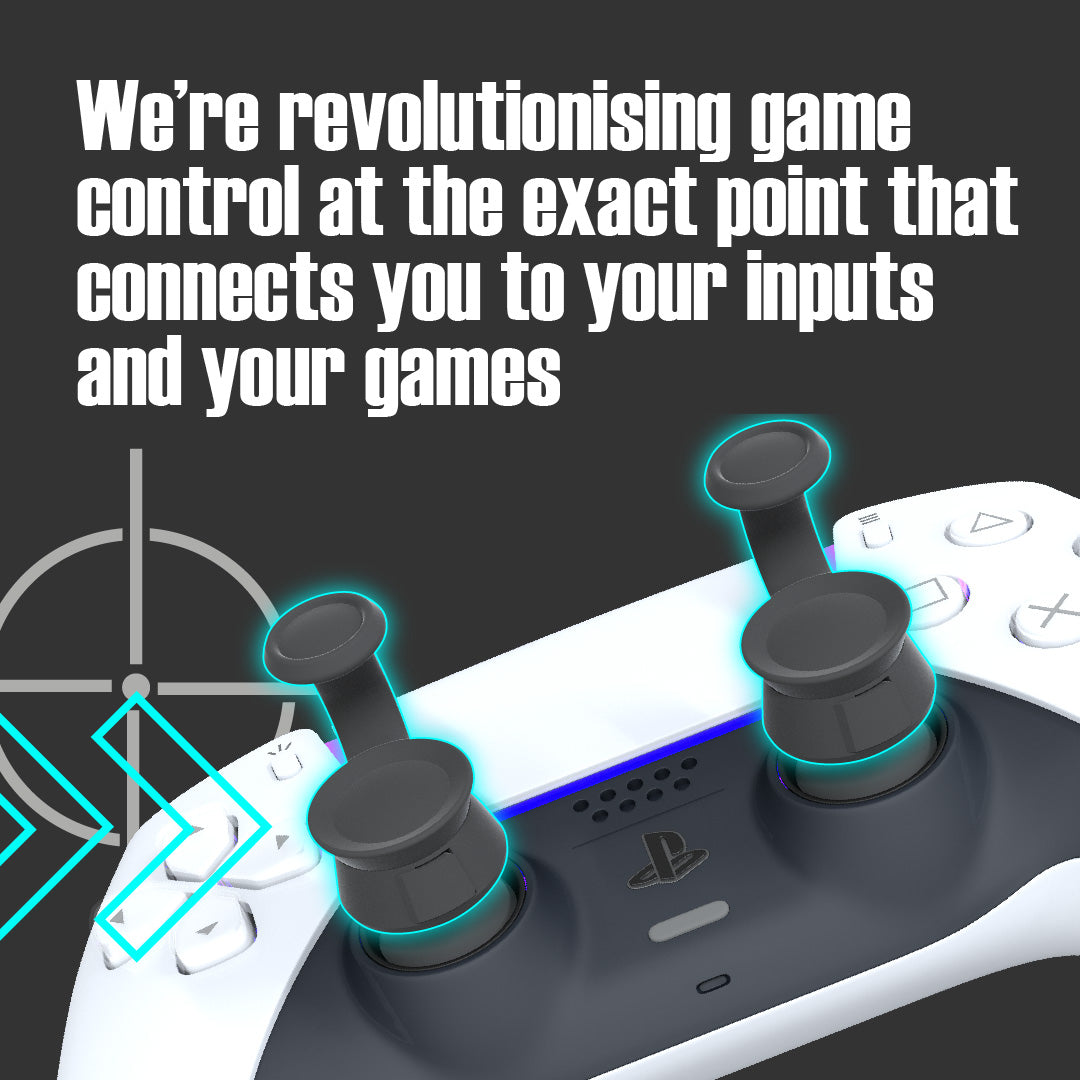
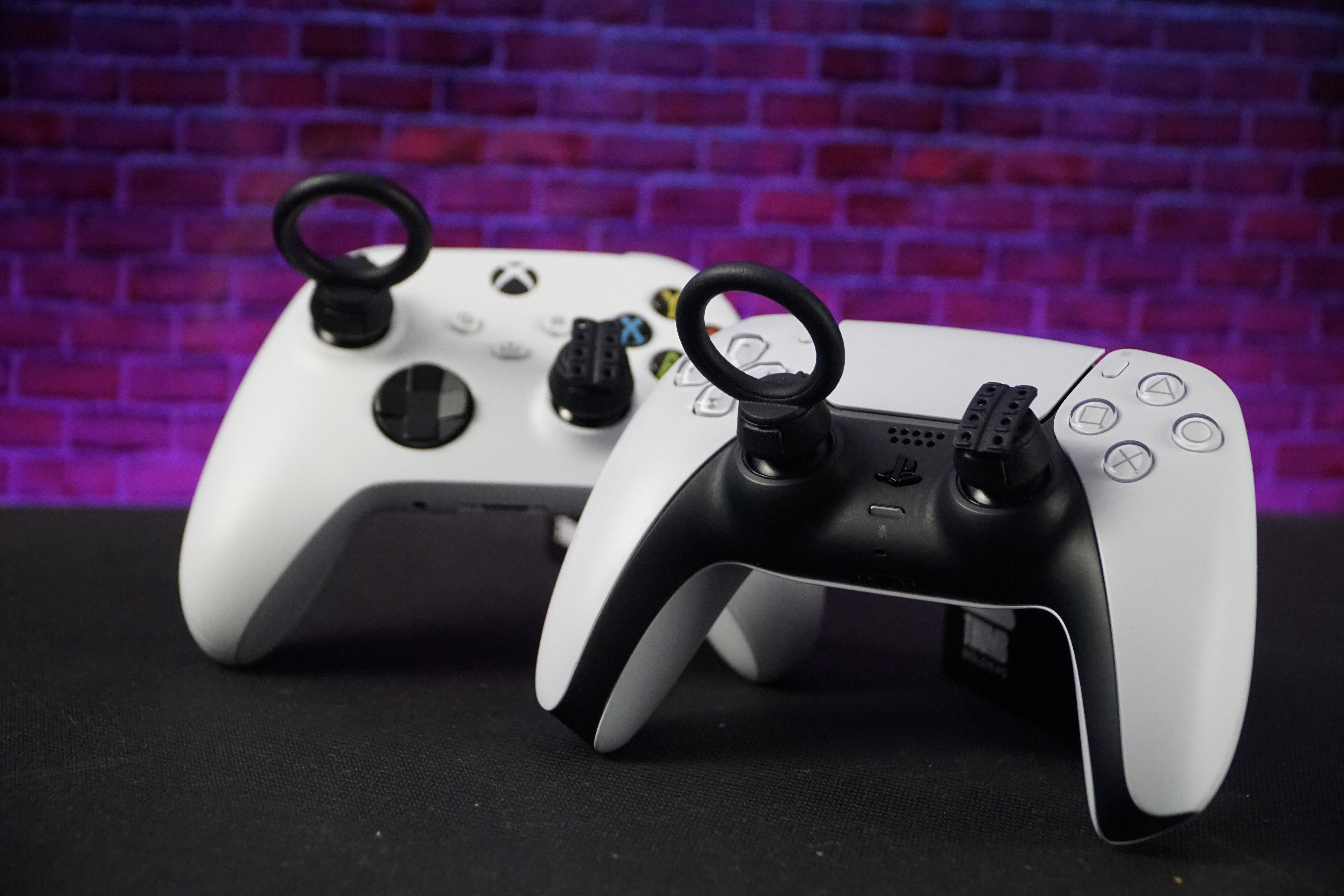
We're showing how small changes in interaction can create meaningful differences in how manageable, intuitive and sustainable gaming feels over time.
As gaming conversations continue evolving, there is growing value in recognising that comfortable play is not a niche concern.
It is part of helping more people continue enjoying gaming in ways that work for their own bodies, abilities, and energy levels.
Interested in finding out what's available - check out the PurePlay Comfort collection