ForAllWe is an independent publishing project based in Italy. Through their blogs, they discuss, analyze and test technologies, video games, digital tools, and educational practices from the perspective of those who are too often excluded: people with disabilities, caregivers, educators, developers, and associations.
A digital world without barriers: Digital accessibility is a matter of rights, quality, and inclusion.
What you find on ForAllWe
-
guides on web accessibility and best practices
-
insights into assistive technologies
-
articles on AI and inclusion
-
accessible gaming and digital culture content
-
stories and testimonies related to disabilities and rights
We are incredibly honoured to have received this open, validating & positive review on the system we've created at Thumb Soldiers.
Here's a few snippets from the article "When a thumbstick accessory can make a difference in video game accessibility"
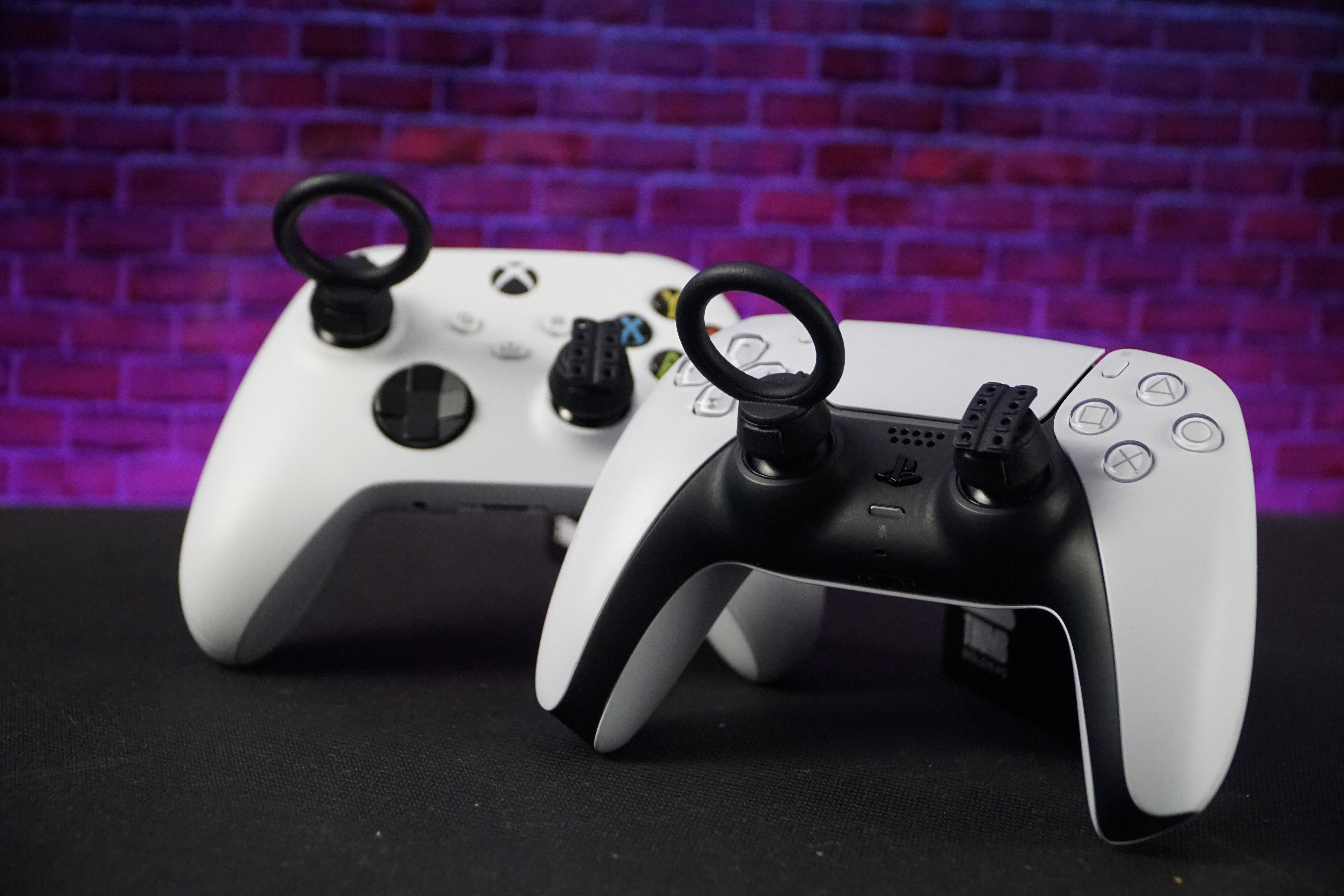
A modular system that starts from the controller you already know
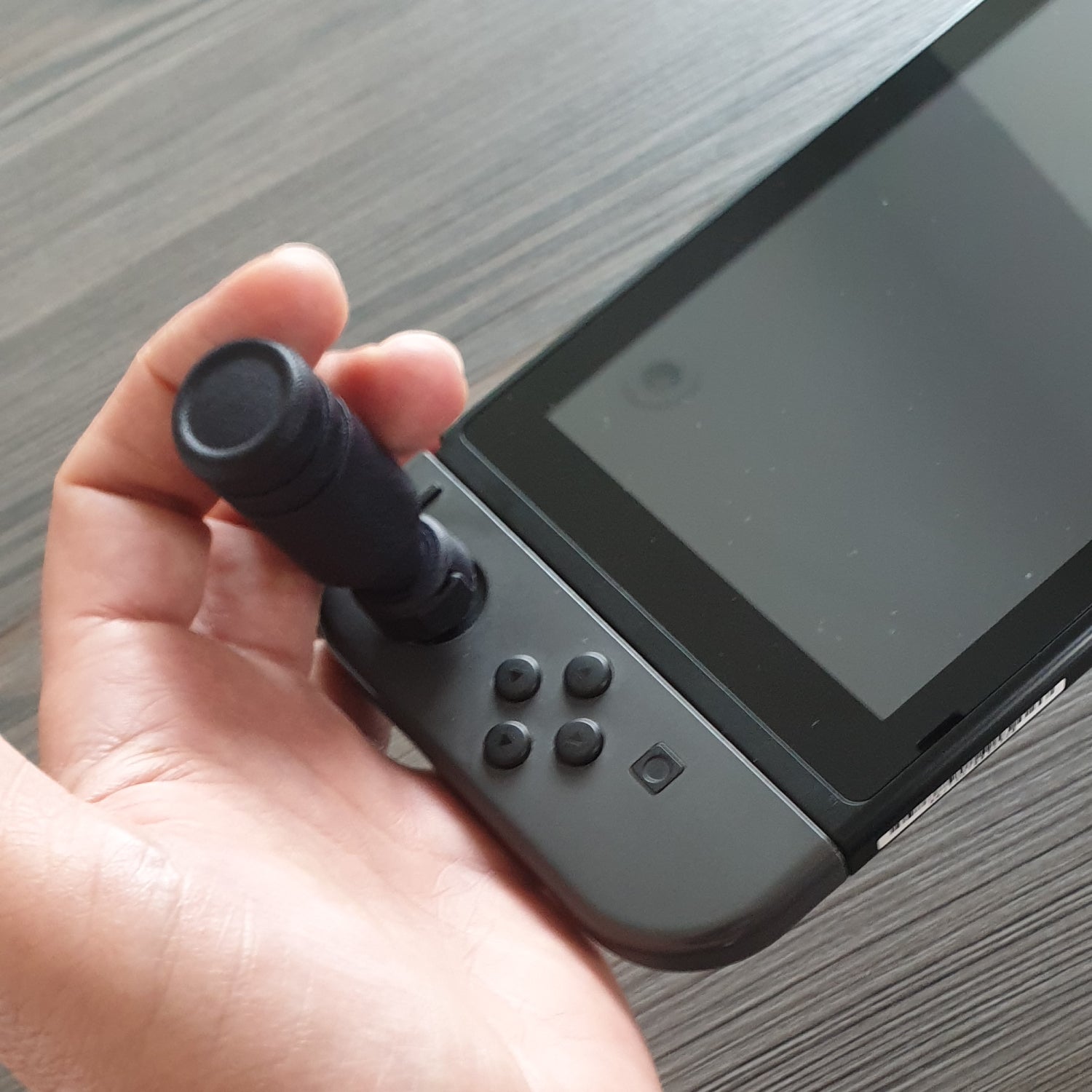
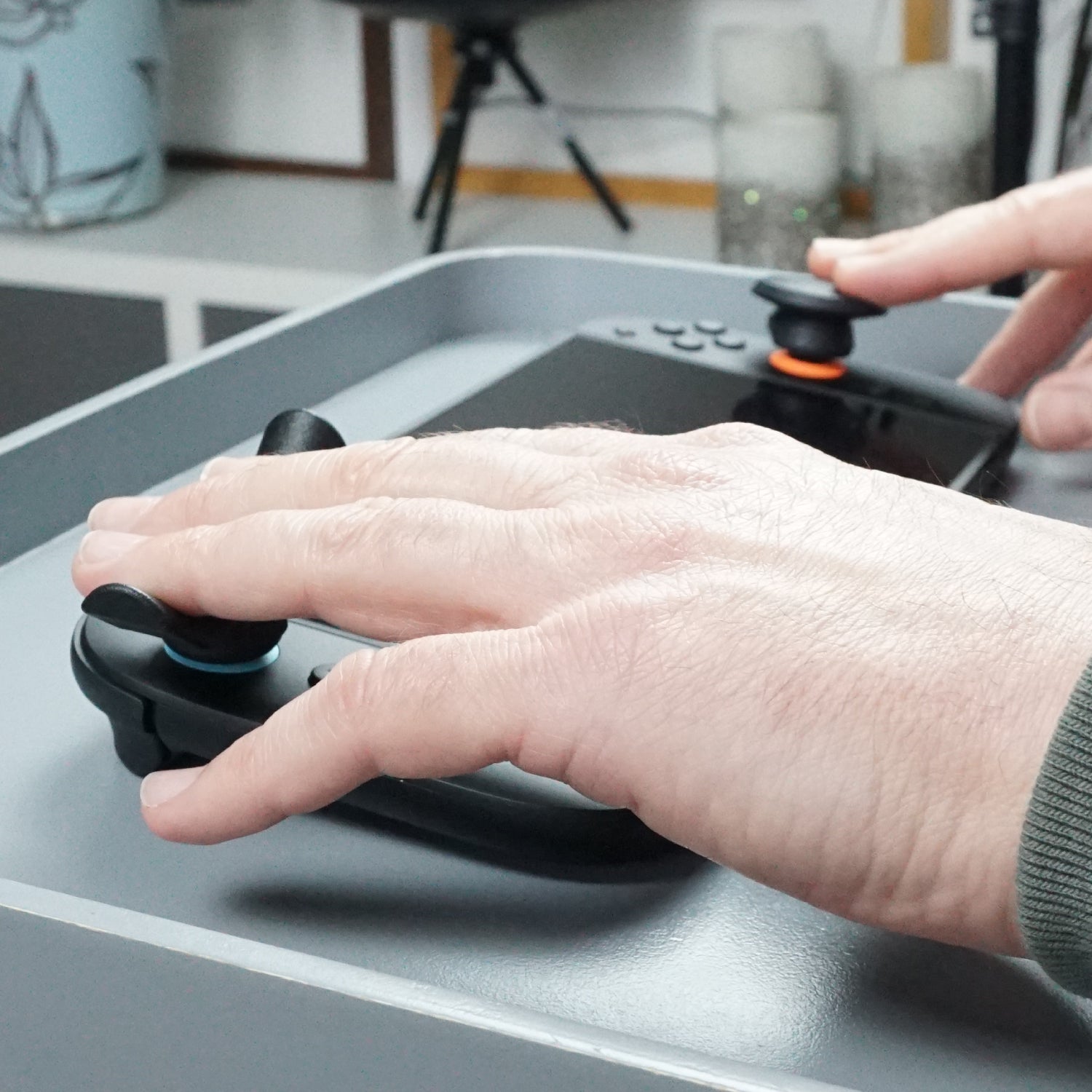
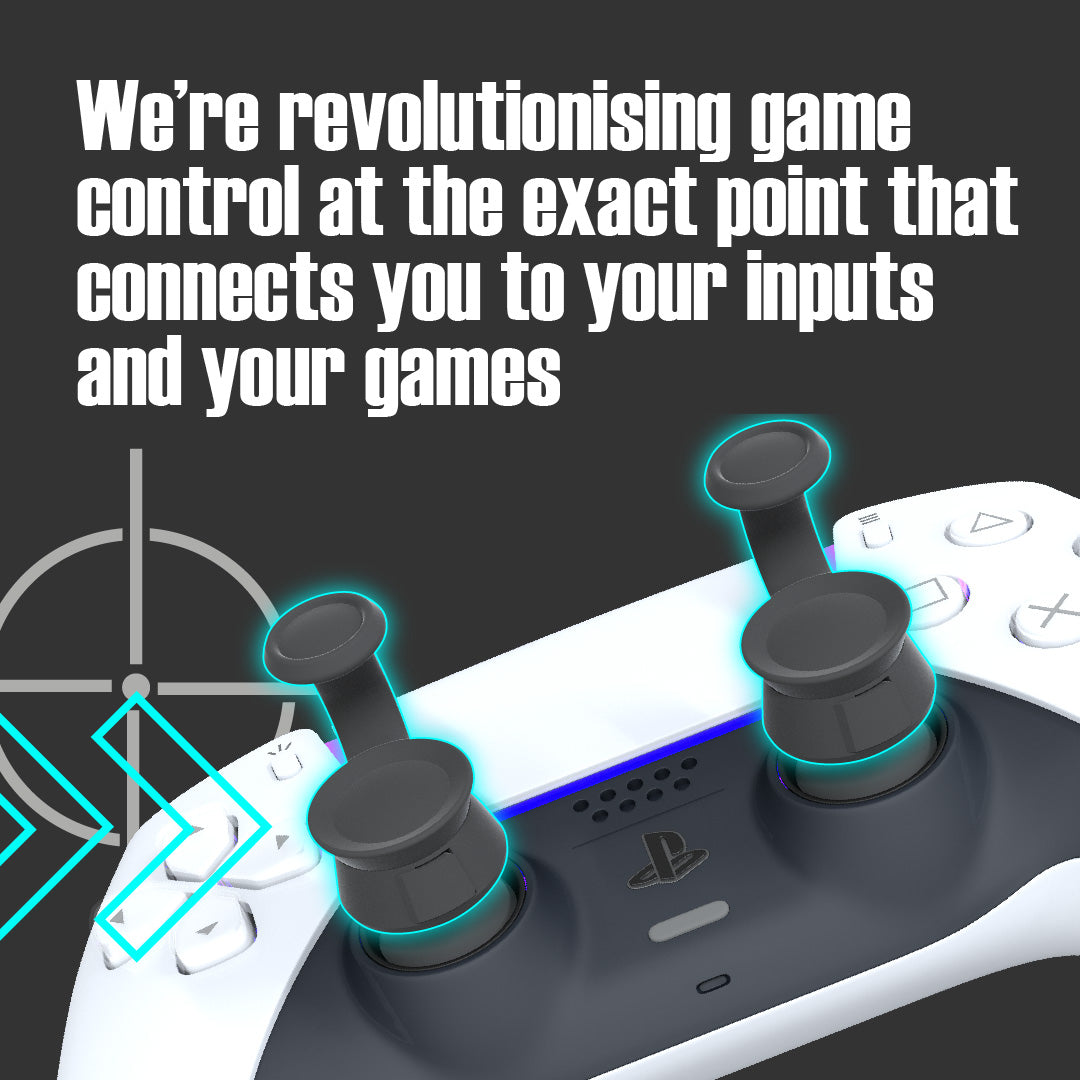
One of the most interesting aspects of Thumb Soldiers is that it doesn't aim to replace the traditional controller, but to modify it in the right way. The logic is modular: small accessories attach to the thumbsticks to adapt the control to the user's needs, the game, and the context of use.
This approach can have real value. For many people, using a familiar controller is easier than starting from scratch with a completely new peripheral. Changing the point of contact, without revolutionizing the entire system, can be a more accessible, less expensive, and easier to manage solution on a daily basis.
In this sense, Thumb Soldiers moves in a very interesting area: that between performance and multiplatform accessibility.
Why it's worth talking about
Thumb Soldiers deserves attention not so much because it promises to revolutionize accessible gaming, but because it highlights an often forgotten truth: accessibility is also about the details.
In the gaming world, there's a lot of discussion, and rightly so, about great inclusive technologies. But even a small change in the point of contact can make the difference between a tiring experience and one that's finally manageable. Between "I can try" and "I can actually play."
This is why projects like this are interesting: not because they replace other solutions, but because they broaden the field of possibilities.
Conclusion
Thumb Soldiers brings a useful perspective to the accessibility conversation: that of micro-personalization. It's not always necessary to rethink everything from scratch. Sometimes you just need to intervene with precision, on the right detail, in the right place.
For some, it will simply be an accessory. For others, it could become a tangible aid for playing with more control, less fatigue, and greater consistency.
In inclusive gaming, these tools matter too. Because accessibility isn't just measured by major innovations, but also by the ability to truly make usable what, for many, today remains only theoretically accessible.
You can read the full article and dig into more ForAllWe's articles here: